Sewage Field Installation in Denver, CO
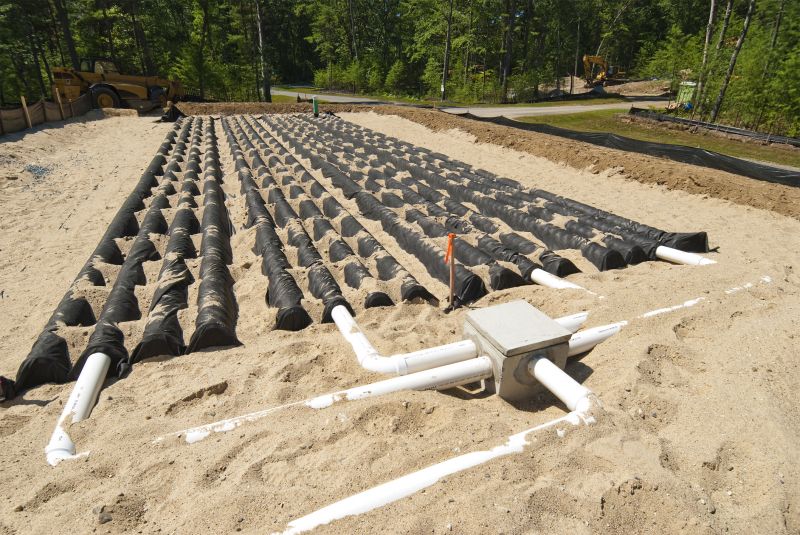
Sewage field installation services involve setting up the underground systems that manage wastewater for residential properties. This service covers projects such as installing new septic drain fields, replacing aging or damaged systems, or upgrading existing setups to meet current standards. Property owners typically want to understand the scope of work involved, including site preparation, system size, and how the installation will impact their property. Clarifying these details helps ensure that the sewage field is properly designed to handle household waste efficiently and reliably.
Before requesting sewage field installation, homeowners should consider factors like property size, soil conditions, and local regulations that may influence system design and placement. It’s also helpful to understand the maintenance requirements and lifespan of the system to plan for future needs. Proper planning and clear communication about project specifications can contribute to a smooth installation process and a long-lasting wastewater management solution tailored to the property’s specific needs.
Many property owners in Denver, CO look into Sewage Field Installation for repairs, replacements, upgrades, and appearance-related improvements.
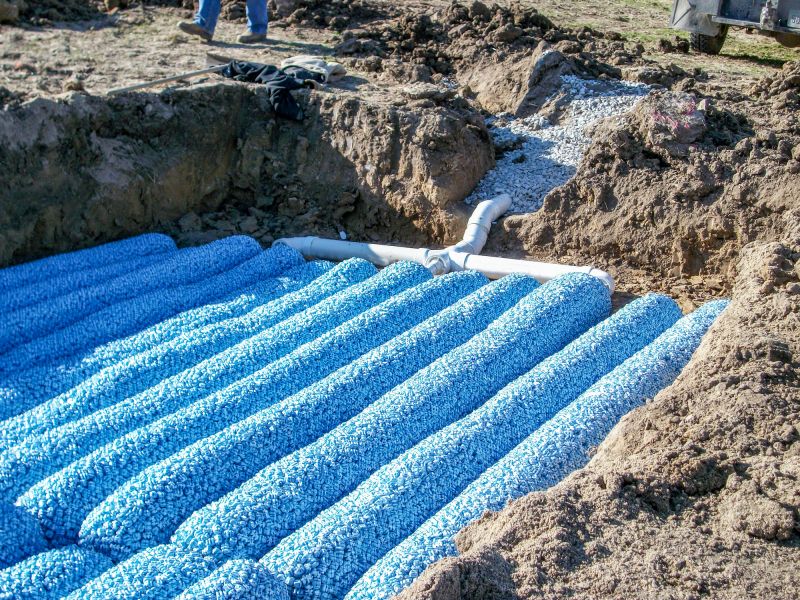
Sewage Field Design And Planning
Proper planning ensures effective sewage disposal for residential and commercial properties in denver.
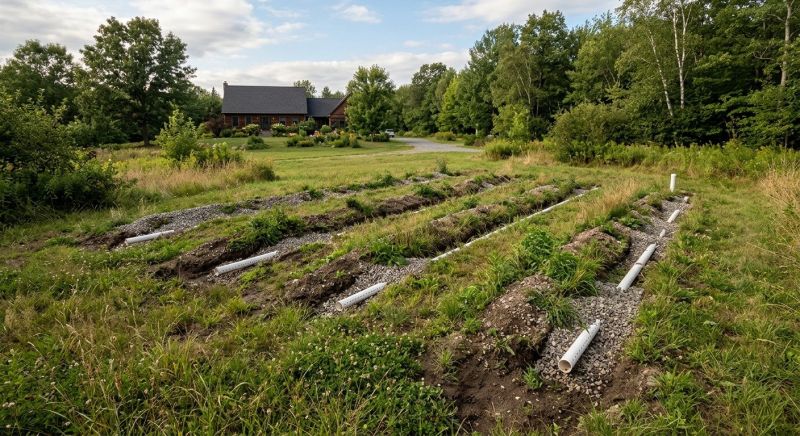
Sewage Field Installation Techniques
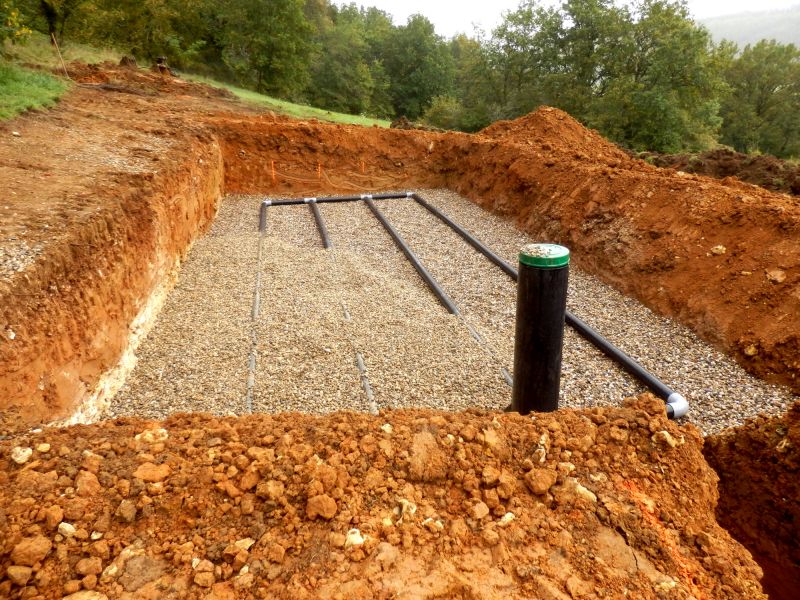
Advanced installation methods help optimize system longevity and performance in various soil conditions.
Maintenance And Troubleshooting
Regular inspection and prompt repairs prevent system failures and maintain proper sewage flow for denver homeowners.
Sewage Field Installation in Denver, CO

Sewage field installation services involve setting up the underground systems that manage wastewater for residential properties. This service covers projects such as installing new septic drain fields, replacing aging or damaged systems, or upgrading existing setups to meet current standards. Property owners typically want to understand the scope of work involved, including site preparation, system size, and how the installation will impact their property. Clarifying these details helps ensure that the sewage field is properly designed to handle household waste efficiently and reliably.
Before requesting sewage field installation, homeowners should consider factors like property size, soil conditions, and local regulations that may influence system design and placement. It’s also helpful to understand the maintenance requirements and lifespan of the system to plan for future needs. Proper planning and clear communication about project specifications can contribute to a smooth installation process and a long-lasting wastewater management solution tailored to the property’s specific needs.
Many property owners in Denver, CO look into Sewage Field Installation for repairs, replacements, upgrades, and appearance-related improvements.
Common Sewage Field Installation Jobs
Sewage Field Installation - Installing new sewage fields to ensure proper waste drainage for residential properties.
Sewage Field Replacement - Replacing aging or failing sewage fields to prevent backups and environmental issues.
Septic System Design - Planning and designing sewage fields tailored to property size and soil conditions.
Sewage Field Expansion - Extending existing sewage systems to accommodate property additions or increased usage.
Sewage Field Inspection - Assessing current sewage fields to identify problems and determine necessary repairs.
Sewage Field Maintenance - Providing ongoing upkeep to keep sewage fields functioning efficiently and prevent failures.
Sewage Field Installation Questions
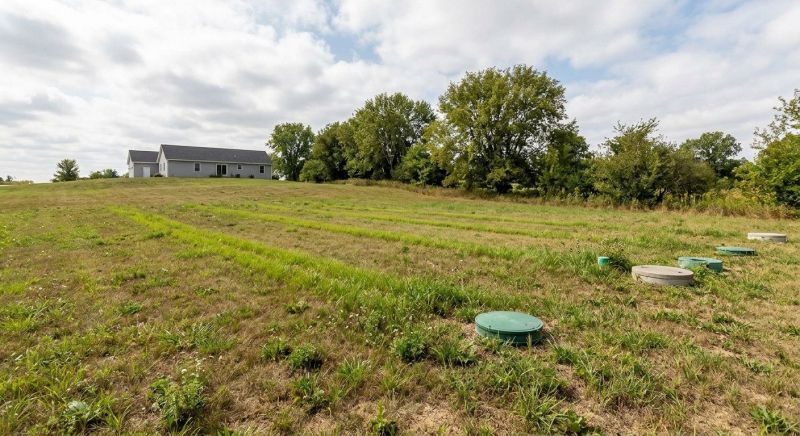
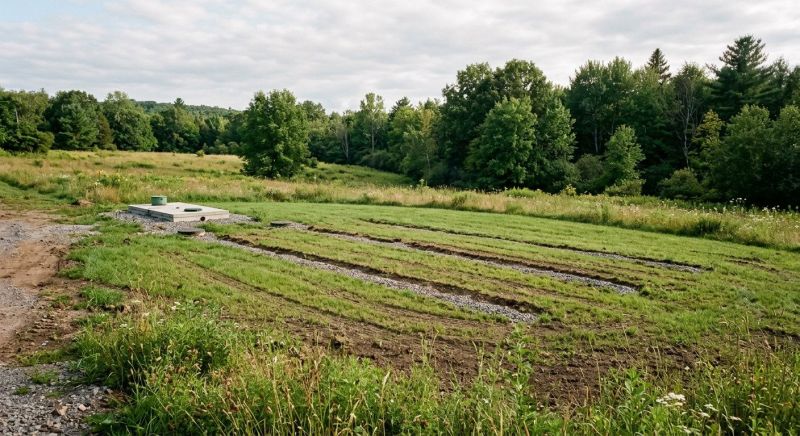
What is sewage field installation? It involves creating a system to safely drain and treat wastewater from a property, typically for homes or commercial buildings.
What types of properties need sewage field installation? Properties that do not have access to municipal sewer lines often require a septic or alternative sewage disposal system.
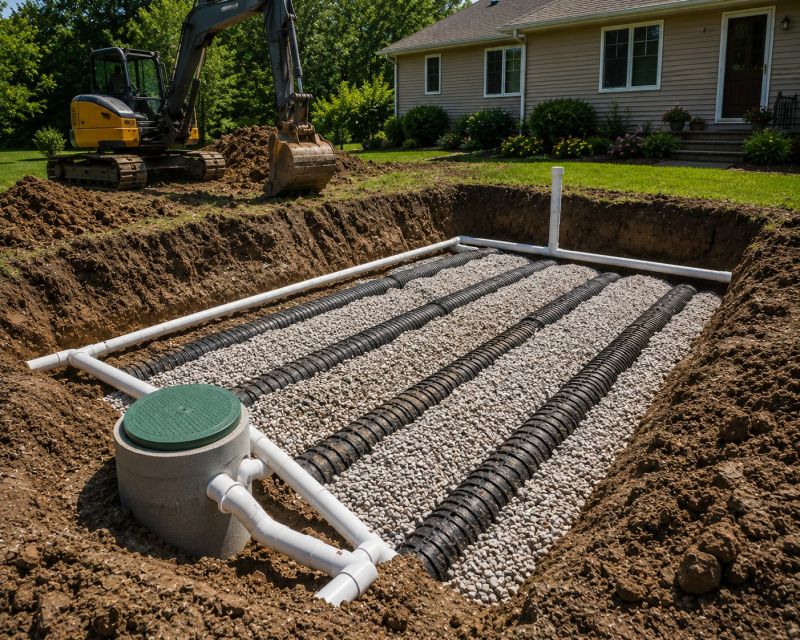
How is a sewage field installed? The process includes excavating the area, laying pipes, and installing a drain field to allow wastewater to percolate into the soil.
What should property owners consider before installation? It's important to assess soil conditions, property size, and local regulations to ensure proper system design and placement.
Request Sewage Field Installation in Denver, CO
Use the quote form on this page to share the basics of your project and request more information for the type of work you need.